
Hey, awesome people!
Recent events have been heavy. The news from Minneapolis—the protests, the abductions, the murders by ICE and related agencies—it’s a stark reminder of the systemic imbalances of power and the pain of marginalization. It feels like the world is constantly shifting under our feet, and in these moments, understanding the language of power becomes more important than ever.
That’s why today, we’re diving into a term you might have heard thrown around, but what does it actually mean? We’re talking about the “Bourgeoisie.”
So, Who Are the Plastics of Society?
Think about it this way: In the iconic movie Mean Girls, Cady Heron encounters “The Plastics.” They’re the ruling clique, the ones who decide what’s “fetch” and who sits where in the cafeteria. They control the social narrative, they have the best clothes, and everyone else is, well, everyone else.
In a nutshell, the bourgeoisie are kind of like that, but on a much larger, societal scale.
The Real World “Plastics”
Historically, the term “bourgeoisie” emerged to describe the middle class, specifically those who owned property and businesses during the rise of capitalism. They weren’t the old aristocracy (the kings and queens), but they weren’t the working class either. They were the ones who owned the means of production—the factories, the land, the capital.
Today, when we talk about the bourgeoisie, we’re generally referring to the social class that holds the majority of the wealth and power in a capitalist society. They are the ones who own and control the means of production, distribution, and exchange of goods and services. This includes big business owners, investors, and those with significant capital. They often have a strong influence on political, economic, and cultural systems.
Why Does It Matter?
Understanding the concept of the bourgeoisie helps us analyze power structures and economic inequalities. When we look at events like those unfolding in Minneapolis, or even just the daily struggles many face, it’s crucial to recognize who holds the power, who benefits from the system, and who is being marginalized.
It’s about seeing beyond the surface and understanding the deeper mechanisms at play. Just like Cady had to learn the rules of the Plastics’ world to navigate it, we need to understand the dynamics of power in our own society to challenge injustices and advocate for change.
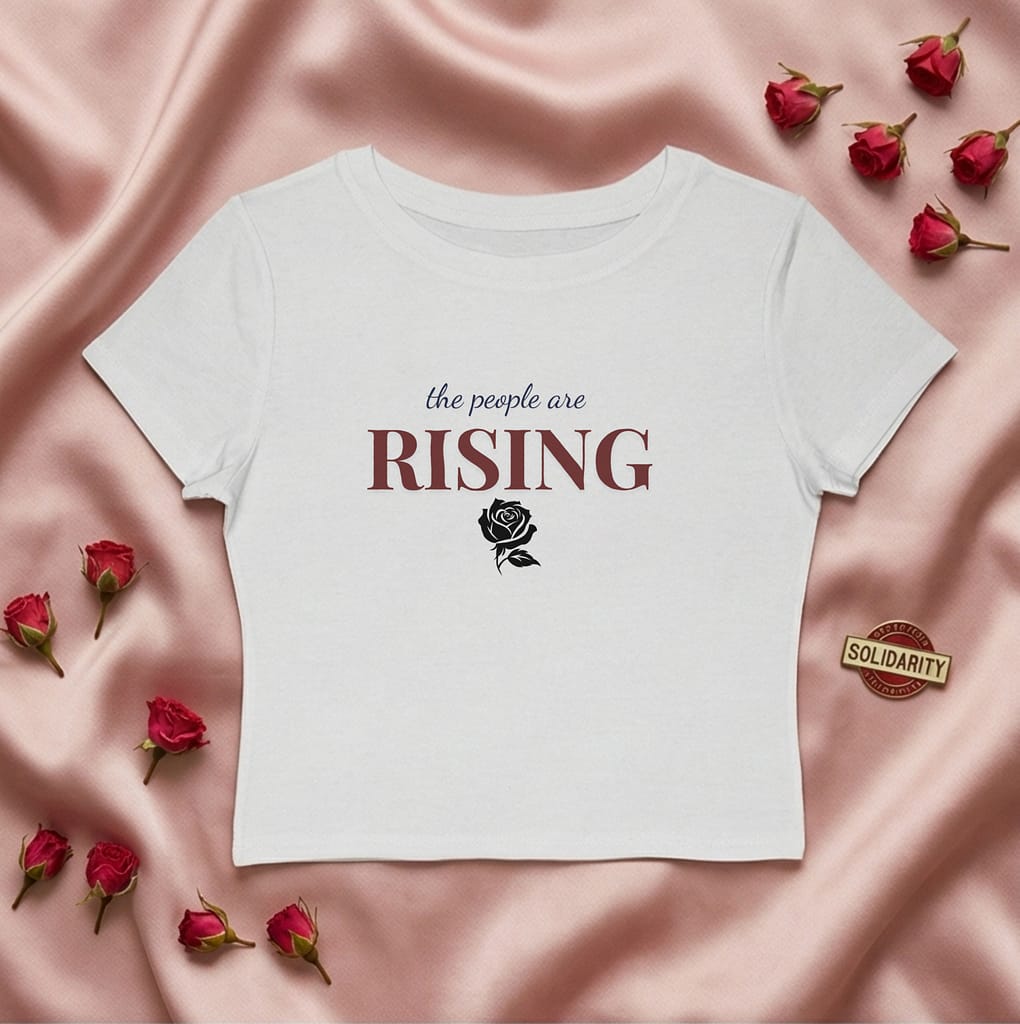
Shop the Look: Check out the newly released “The People are Rising Rose” merch from Great Lakes Sparkle here: [Link to Store]